
Table of Contents
- Why Remodeling Old Swimming Pools Makes Sense
- Pool Resurfacing and Replastering: Foundation of Any Renovation
- Pool Equipment Upgrades That Lower Operating Costs
- Pool Resurfacing Cost and Budget Planning
- Swimming Pool Renovation Timeline: What to Expect
- Beyond the Basics: Tile, Coping, Lighting, and Automation
- Permitting and Structural Inspections
- Choosing a Remodeling Partner You Can Trust
- Frequently Asked Questions
Last Updated: September 21, 2026
Why Remodeling Old Swimming Pools Makes Sense
An aging pool isn’t just an eyesore, it’s a money pit. Cracked plaster leaks water constantly, outdated equipment runs 24/7 at full capacity, and water chemistry becomes a daily battle. Remodeling old swimming pools transforms these liabilities into assets. The question isn’t whether you can afford to renovate; it’s whether you can afford not to.
A pool that’s 15-20 years old typically costs 40-60% more to operate than a modernized one, simply because the equipment is inefficient and the structure loses water through micro-fractures. Beyond operating costs, an old pool represents stagnant property value. Families looking at homes in the area see a deteriorating pool as a red flag, a sign that maintenance has been neglected across the property.
Remodeling old swimming pools in Frisco addresses both concerns simultaneously. You stop the bleeding on utility bills, restore the pool to a centerpiece of your outdoor living space, and reclaim the backyard as a functional entertainment area. At Swim Clean Pool, we understand the decisions homeowners face when considering a pool renovation.
The scope of work can range from a targeted equipment refresh to a complete structural overhaul. The key is understanding what’s actually broken versus what’s simply outdated.
Pool Resurfacing and Replastering: Foundation of Any Renovation
The surface is where the pool’s age shows first. Cracked or deteriorating plaster allows water to seep through the shell, forcing your pump to run longer to maintain levels. Algae thrives in rough spots. The water feels rough underfoot. Replastering isn’t cosmetic, it’s structural maintenance that stops the deterioration.
Pool resurfacing involves removing the old finish and applying a new one. The work typically involves removing the old finish and applying a new one. During this process, your contractor will inspect the underlying shell for cracks or structural issues that need repair before the new finish goes down.
Finish Options: Pebble, Quartz, and Traditional Plaster
You have three main choices, each with different durability, feel, and longevity profiles.
Traditional plaster is the baseline. It’s affordable and familiar. The downside: it needs acid-washing every 3-5 years and typically lasts 7-10 years before it needs replastering again. Plaster is porous, which means algae finds purchase easily and water chemistry can drift faster.
Pebble finishes embed small stones into a cement base. The texture is rough, some people love it, others find it uncomfortable. Pebble resists algae better than plaster because the surface is non-porous.
Quartz finishes blend crushed quartz with epoxy or polyester resin. The surface is smooth, durable, and available in multiple colors. Quartz finishes resist staining and algae, and maintain a consistent appearance throughout their lifespan.
When you’re remodeling old swimming pools, the finish choice should reflect how much time you want to spend on maintenance. If you’re not interested in frequent acid-washing or chemical balancing, pebble or quartz justify the upfront investment.
Pool Equipment Upgrades That Lower Operating Costs
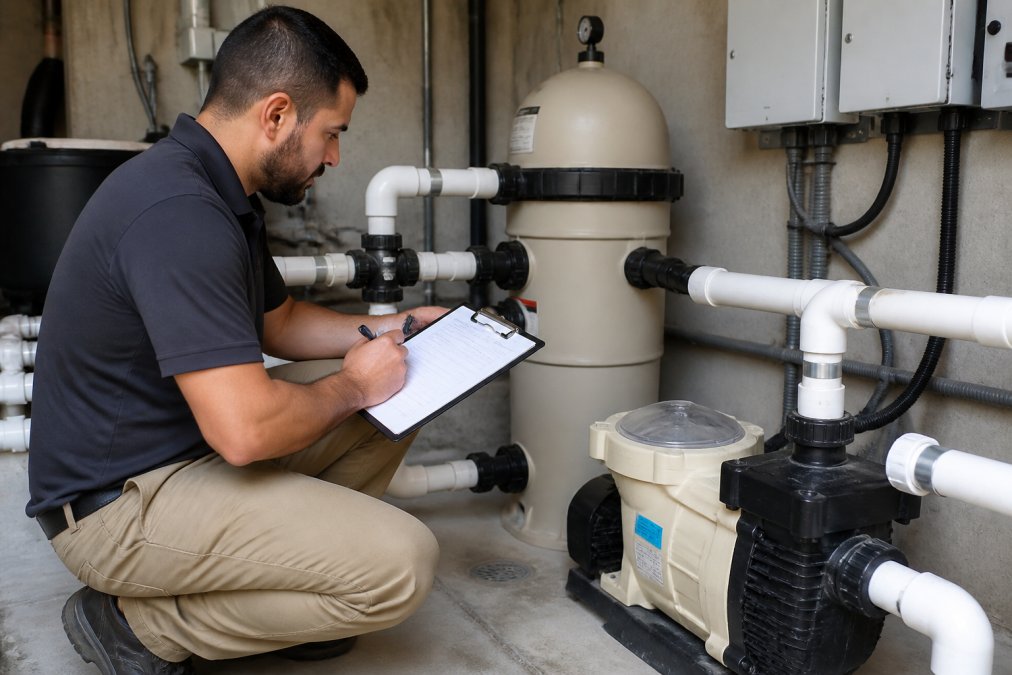
The pump, filter, and heater are the financial heart of pool ownership. A 20-year-old single-speed pump runs at full capacity regardless of whether you’re actively using the pool or just maintaining circulation. It’s like driving a car in fifth gear through a residential neighborhood, it works, but it’s wildly inefficient.
Variable Speed Pumps and Energy-Efficient Systems
A variable speed pump adjusts its output based on actual circulation needs. During off-peak hours, it runs at 30% capacity. When you’re actively using the pool, it ramps up. The energy savings are substantial, many homeowners report 50-75% reductions in pump-related electricity costs simply by switching to variable speed.
Variable speed pumps run quieter and generate less wear on plumbing and equipment, extending the lifespan of the entire system.
Modern filters also matter. Sand filters require backwashing monthly, which wastes hundreds of gallons. Cartridge filters trap debris more efficiently and need cleaning only a few times per season. Some high-end systems use multi-stage filtration that reduces the frequency of maintenance while improving water clarity.
Saltwater Conversion and Modern Filtration
Saltwater systems generate chlorine through electrolysis rather than requiring you to add chlorine manually. The water feels softer on skin and eyes, and you’re not handling harsh chemicals. The system requires an initial investment, a saltwater cell and controller, but eliminates the recurring cost of buying chlorine.
Saltwater isn’t chlorine-free; it simply produces chlorine on demand at lower concentrations, which feels gentler. The system requires periodic cell replacement.
Modern filtration paired with saltwater conversion creates a pool that’s easier to maintain and cheaper to operate. The combination addresses two pain points simultaneously: chemical handling and operating costs.
Pool Resurfacing Cost and Budget Planning
Budget planning for remodeling old swimming pools requires understanding what’s included in each tier of work. A surface-only refresh, replastering or resurfacing without equipment changes, typically represents the lower end of investment. Equipment upgrades sit in the mid-range. Full structural work with new decking, plumbing upgrades, and complete equipment replacement represents the upper end.
The cost structure depends on pool size, condition of the underlying shell, and scope of upgrades. A 15,000-gallon pool in good structural condition requires different investment than a 25,000-gallon pool with cracks in the shell. Your contractor should provide a detailed breakdown showing what each phase of work addresses.
Common mistake: underestimating the cost of permitting and inspections. Local regulations in the area require permits for structural work, equipment replacement, and electrical upgrades. Budget for inspection fees and potential remediation if the inspector identifies code violations in the existing system. These aren’t optional costs, they’re part of doing the work legally.
Another frequent oversight: not accounting for the cost of maintaining the pool during renovation. If your renovation spans several weeks, you’ll need temporary chemical treatment or a tarp to prevent debris accumulation. Factor that into your timeline and budget.
For specific pricing on remodeling old swimming pools, request a consultation from Swim Clean Pool. Our team can assess your pool’s condition, identify necessary work, and provide transparent cost breakdowns so there are no surprises during the project.
Swimming Pool Renovation Timeline: What to Expect
The timeline for remodeling old swimming pools depends on scope, but most projects follow a predictable sequence.
Weeks 1-2: Planning and Permitting. You’ll meet with your contractor to discuss design changes, equipment upgrades, and finish selections. Permit applications are submitted during this phase. Permitting can take 2-4 weeks depending on local review timelines, so don’t underestimate this phase.
Week 3: Draining and Inspection. The pool is drained completely. The contractor inspects the shell for cracks, structural issues, and plumbing problems. Any repairs needed are identified and prioritized.
Weeks 4-6: Structural Work. Replastering, crack repair, and any plumbing or electrical upgrades happen during this window. If you’re replacing decking or coping, that work occurs simultaneously.
Weeks 7-8: Equipment Installation. New pump, filter, heater, and saltwater system (if applicable) are installed and tested. Electrical connections are verified. Water lines are checked for leaks.
Weeks 9-10: Refilling and Startup. The pool is refilled slowly while the contractor monitors for leaks. Water chemistry is balanced. Equipment is calibrated and tested under load.
Week 11: Final Inspection and Handoff. Local inspectors verify that all work meets code.
Beyond the Basics: Tile, Coping, Lighting, and Automation
A functional pool is one thing. A pool that feels intentional and modern is another. Upgrades beyond the core resurfacing and equipment work create a cohesive outdoor living space.
Waterline Tile and Coping Replacement
The coping is the rim that frames the pool edge. Older coping often shows cracks, discoloration, or deterioration from freeze-thaw cycles. Replacing it is partly aesthetic and partly functional, damaged coping can be a safety hazard and allows water to seep behind the pool shell.
Pool Lighting and Automation Systems
Modern pool lighting uses LED technology, which consumes a fraction of the energy that older incandescent or halogen systems require. LED lights are available in multiple colors and brightness levels, allowing you to set different moods for evening entertaining.
Permitting and Structural Inspections
Any remodeling old swimming pools project that involves structural work, equipment replacement, or electrical upgrades requires permits and inspections. This isn’t bureaucratic overhead, it’s verification that the work meets safety and code standards.
Choosing a Remodeling Partner You Can Trust
Not all pool contractors have the same depth of experience with remodeling old swimming pools. Some specialize in new construction. Others focus on seasonal maintenance. You need a partner who understands the unique challenges of bringing an aging pool back to life.
The right contractor will:
- Provide a detailed written assessment of your pool’s condition before quoting work
- Explain what’s necessary versus what’s optional, so you can prioritize spending
- Manage permitting and inspections rather than leaving that to you
- Communicate proactively about timeline and cost, especially if unexpected issues emerge during structural inspection
- Stand behind their work with clear warranties on labor and materials
Frequently Asked Questions
How long does a typical pool remodeling project take?
A swimming pool renovation timeline depends on the scope of work. Weather delays and permitting timelines can also affect the schedule. Your contractor should provide a detailed timeline during the planning phase so you know what to expect each week.
What’s the difference between replastering and resurfacing a pool?
Replastering typically refers to applying a new layer of traditional plaster finish over the existing pool shell, while resurfacing is a broader term that includes replastering plus other finish options like pebble or quartz. Resurfacing may also involve addressing structural issues, repairing cracks, and upgrading the underlying shell. Both processes restore the pool’s appearance and waterproofing, but resurfacing offers more finish choices and often addresses deeper structural concerns.
How much does pool resurfacing cost?
Pool resurfacing cost depends on pool size, finish type, structural repairs needed, and local labor rates. A basic replastering job may cost significantly less than a full resurfacing with premium finishes like pebble or quartz. Additional factors include tile replacement, coping work, and equipment upgrades. Request a detailed estimate from your contractor that breaks down labor, materials, and any contingencies so you understand exactly what you’re paying for.
Should I upgrade my equipment when remodeling my pool?
Yes, upgrading pool equipment during a renovation is often worthwhile. Modern variable speed pumps, energy-efficient heaters, and advanced filtration systems can significantly reduce operating costs compared to older equipment. If your current pump, filter, or heater is more than 10-15 years old, replacement during renovation prevents future breakdowns and improves water quality. Discuss equipment options with your contractor to find the right balance between upfront investment and long-term savings.

